What’s Limiting You?
When Back Pain Starts Affecting Everyday Life
Back pain can make simple things difficult — sitting at a desk, getting out of the car, lifting, sleeping, exercising or even putting on shoes.
The source of back pain is not always obvious. Joint irritation, muscle tension, movement restrictions, disc-related problems and reduced strength or control can all contribute.
At PSS, the goal is not simply to identify where it hurts. We look at how your spine moves, what positions or activities increase your symptoms and what may be limiting your ability to return to normal activity.
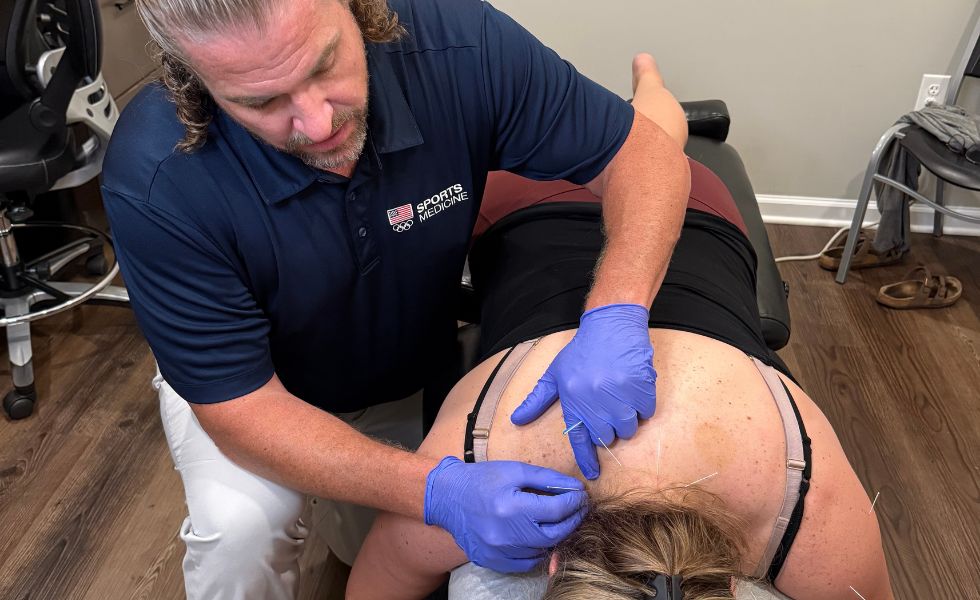
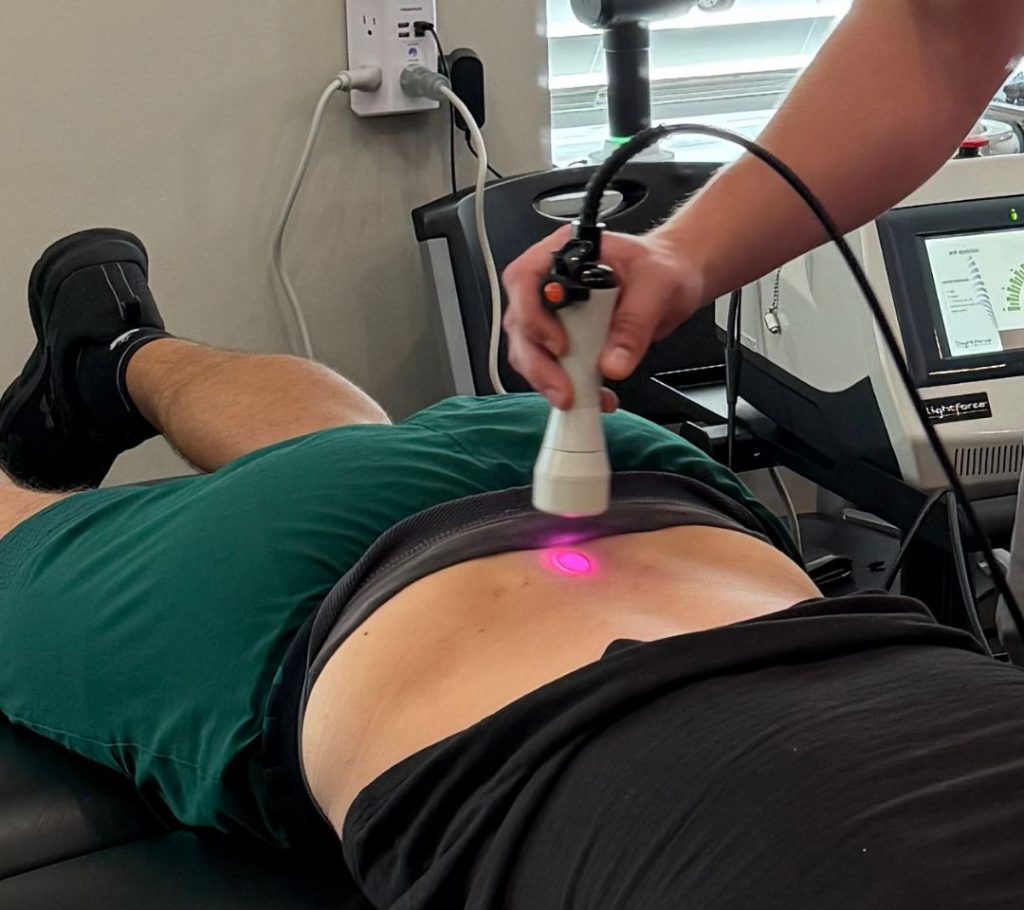
Care may include chiropractic treatment, manual therapy, rehabilitation, dry needling, laser therapy or other tools when appropriate.
Turn, Work and Move With Greater Confidence
Neck pain can affect more than simply turning your head.
It may interfere with working at a computer, driving, sleeping, training or spending long periods in one position. Some people also experience stiffness, headaches or symptoms that travel into the shoulder, arm or hand.
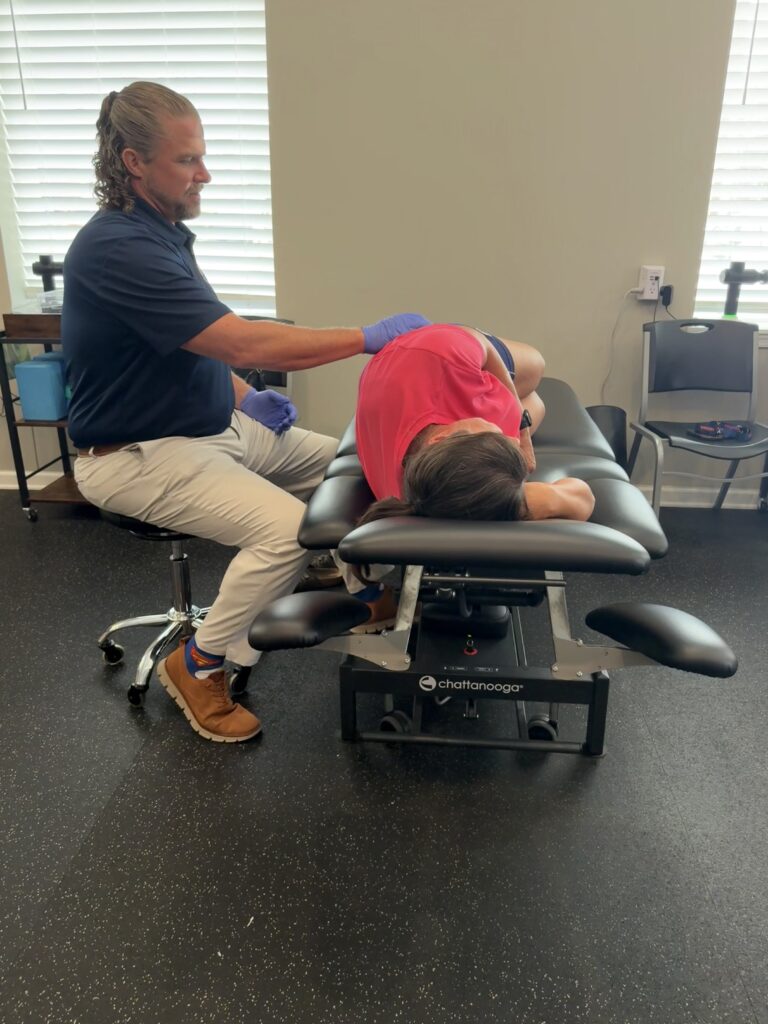
We evaluate how the neck, upper back and surrounding tissues are moving and functioning, then build care around the findings.
Depending on the problem, treatment may include chiropractic care, manual therapy, rehabilitation, dry needling, acupuncture or other supportive options.
When Pain Travels Beyond Your Back
Sciatica commonly describes pain that travels from the lower back or buttock into the leg.
Some people also experience numbness, tingling, burning or weakness. Symptoms may become worse with sitting, standing, bending, walking or certain movements.
Sciatica is a symptom, not a diagnosis by itself. The first step is determining what may be irritating or affecting the nerve.
At PSS, we evaluate movement, neurological signs and the possible role of disc-related or other spinal problems before deciding what type of care makes sense.
For some qualifying patients, the THRIVE pathway may be appropriate.
Understand the Problem. Build a Clear Path Forward.
The discs between the bones of your spine help absorb load and allow your spine to move.
When part of a disc bulges or herniates, it may irritate nearby structures and contribute to symptoms such as back or neck pain, radiating pain, numbness, tingling or weakness.
Not every disc herniation causes the same symptoms, and not every patient needs the same treatment.
At Performance Sport & Spine, we begin with a careful evaluation to understand what may be causing your symptoms and whether conservative care is appropriate.
For qualifying patients, the THRIVE Disc Recovery Protocol provides a structured progression from symptom control toward movement, stability, strength and greater independence.
Reach, Lift and Train Without Constantly Thinking About Your Shoulder
Shoulder pain can interfere with reaching overhead, lifting, sleeping, working, training and sport.
Because the shoulder relies on movement and control from several joints and muscle groups, the painful area may not tell the whole story.
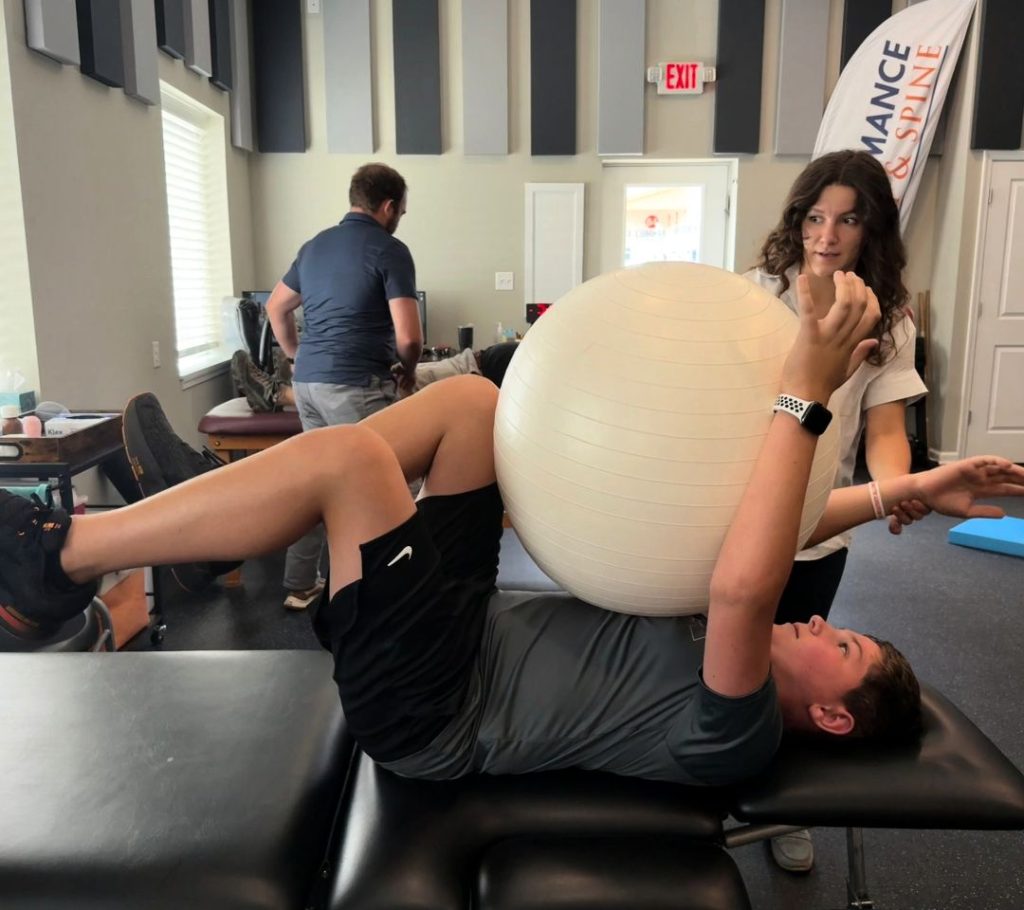
We evaluate shoulder mobility, strength, stability and movement patterns to identify what may be limiting function.
Treatment may include manual therapy, rehabilitative exercise, chiropractic care, dry needling, laser therapy or other supportive options when appropriate.
Move More Freely and Get Back to the Activities You Enjoy
Hip pain can affect walking, running, squatting, sitting, getting in and out of a car and many forms of exercise.
The hip works closely with the lower back, pelvis, knees and surrounding muscles, so understanding the entire movement pattern is important.
At PSS, we evaluate mobility, strength, stability and the activities that reproduce your symptoms.
The plan may include hands-on care, mobility work, rehabilitative exercise and progressive strengthening based on what the evaluation shows.
Build the Strength and Control Your Knees Need
Knee pain can make stairs, squatting, running, jumping, kneeling and even everyday walking uncomfortable.
The problem may involve the knee itself, surrounding muscles and tendons, or the way the hip, ankle and lower body are working together.
We look at movement, strength, stability and the demands you place on the knee before deciding how to approach care.
Treatment may include manual therapy, rehabilitative exercise, SoftWave, laser therapy or other options based on the condition and stage of recovery.
When Neck and Musculoskeletal Factors May Be Part of the Problem
Headaches can have many different causes, and not every headache is appropriate for musculoskeletal care.
For selected patients, tension, restricted neck movement, joint irritation or surrounding muscular factors may contribute to headache symptoms.
We evaluate the neck, upper back and surrounding tissues to determine whether musculoskeletal factors appear to be involved and whether care at PSS is appropriate.
When needed, we may also recommend further medical evaluation or referral.
Recover From Injury. Rebuild Capacity. Return Ready.
Sports injuries are not only about reducing pain. The real goal is returning to the demands of training and competition with enough mobility, strength, control and confidence to perform.
We assess the injured area, the movements involved in your sport and the physical qualities you need to return successfully.
Early care may focus on calming the injury and restoring motion. As you improve, the plan progresses toward rehabilitation, strength and sport-specific demands.
For active patients whose goals extend beyond recovery, the next step may be Performance Development.