THRIVE DISC RECOVERY PROTOCOL
A Structured Path From Disc Pain Back to Life.
Disc-related back or neck pain can take over the simplest parts of your day.
Sitting, sleeping, driving, working, exercising and even putting on shoes can become things you have to think about before you do them.
THRIVE was created to give qualifying patients a clear progression instead of another isolated treatment.
The approach is simple: understand the problem, use the right intervention at the right stage, and keep changing the plan as the patient becomes capable of more.
Schedule Your VisitWHO IT MAY HELP
When Disc Pain Starts Controlling Your Life
THRIVE is designed for qualifying patients dealing with disc-related back or neck pain, sciatica and radiating symptoms.
Common complaints may include:
- Back or neck pain
- Pain traveling into an arm or leg
- Sciatica
- Numbness or tingling
- Difficulty sitting or driving
- Pain with bending or lifting
- Difficulty sleeping comfortably
- Reduced confidence with exercise or activity
Not every patient with back pain or sciatica has the same problem, and not every disc condition requires the same treatment.
That is why evaluation comes first.
THRIVE begins with understanding the problem, not choosing the treatment.
THE THRIVE METHOD
Care Should Change as You Improve.
The THRIVE pathway follows the same progression used throughout Performance Sport & Spine:
Calm and Recover → Restore and Rebuild → Return and Thrive
The difference is that the pathway is specifically organized around qualifying disc-related conditions and radiating symptoms.
The approved strategy explicitly defines these three stages for THRIVE.
PHASE 1
Calm and Recover
The first goal is to get the problem under control.
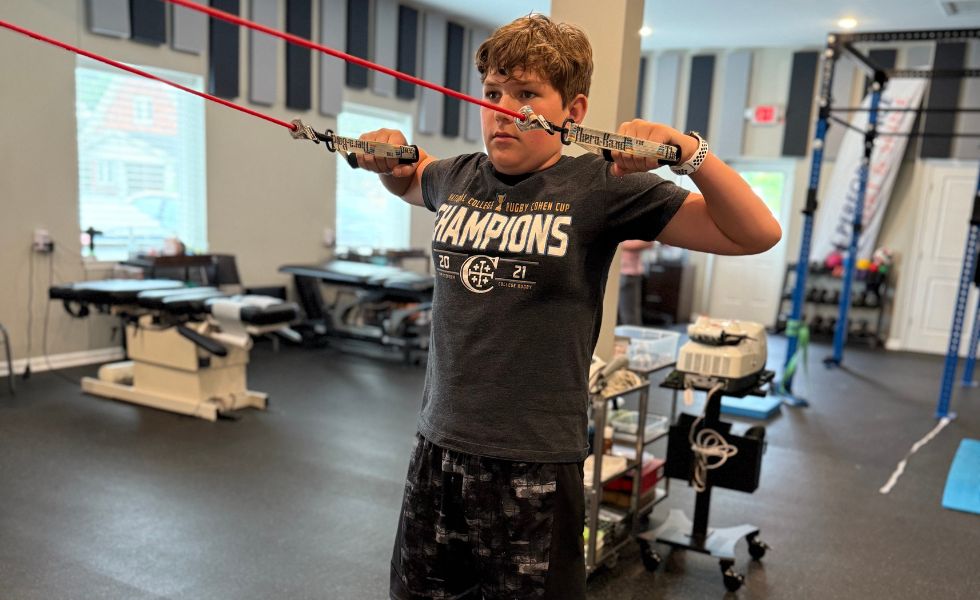
At this stage, care focuses on reducing pain and irritation, unloading sensitive structures when appropriate, and helping the body tolerate movement again.
Depending on the individual case, care may include:
* Spinal decompression
* LightForce Class IV Laser Therapy
* Chiropractic care
* Dry needling
* Manual therapy
* Bracing
* Nutritional support
Not every patient receives every treatment.
The tools are selected based on the examination, symptoms and what makes sense for that stage of recovery.
The goal of Phase 1 is not to stay in treatment. It is to create enough change to move forward.
PHASE 2
Restore and Rebuild
As symptoms settle, the plan becomes more active.
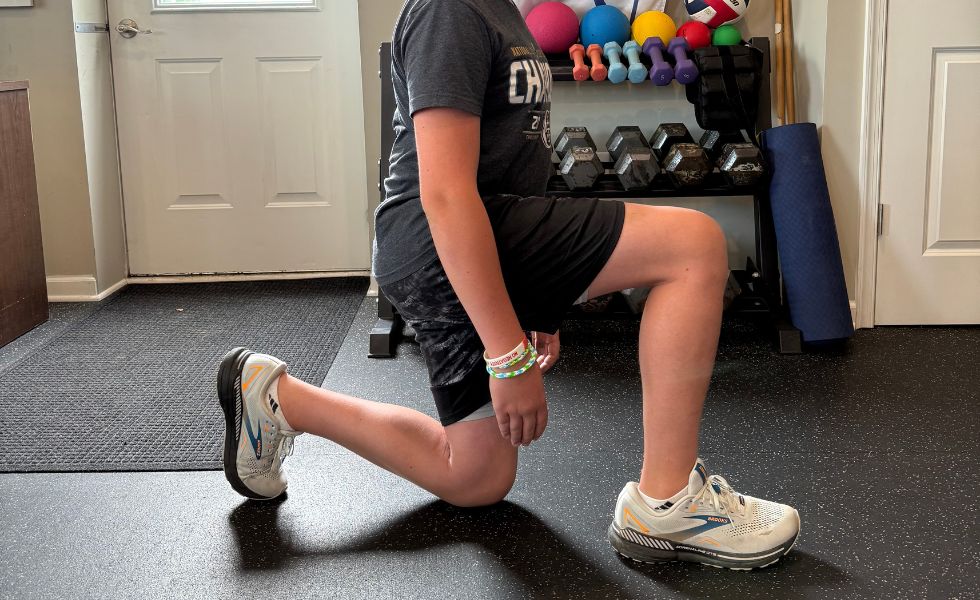
The focus shifts toward restoring mobility, improving control and progressively rebuilding strength.
This is where care begins moving away from symptom management and toward what your body actually needs to do.
Chiropractic care, manual therapy and rehabilitative exercise may work together to help restore:
* Mobility
* Stability
* Strength
* Movement confidence
* Tolerance for everyday activity
Feeling better is important. Being able to trust your body again is the bigger goal.

PHASE 3
Return and Thrive
The final phase is about preparing you for the demands that still matter.
Treatment begins to taper as you become more independent.
We identify the movements and activities that still expose the problem and progressively prepare your body for them.
That may mean:
* Sitting through a workday
* Lifting at work
* Returning to the gym
* Running
* Golf
* Playing with children
* Strength training
* Returning to sport
The goal is to help you move forward with more confidence and less dependence on treatment.
The finish line is not a lower pain score. It is knowing what to do, trusting your body and getting back to the life you want to live.
TOOLS WITHIN THE PLAN
THRIVE Is More Than One Treatment
THRIVE is not a decompression package and it is not built around one machine.
Different tools may be used at different stages depending on what the patient needs.
Spinal Decompression
Controlled traction may be used for qualifying patients with selected disc-related conditions and radiating symptoms.
LightForce Laser Therapy
Therapeutic light energy may be used to support selected tissues during an appropriate stage of recovery.
Chiropractic
Care
Specific manipulation and mobilization may be used to improve movement and joint function when appropriate.
Manual
Therapy
Hands-on care may help address muscular and soft-tissue restrictions that affect movement.
Dry Needling
May be considered for selected areas of muscle tension, sensitivity or restricted movement.
Rehabilitative Exercise
Used to restore mobility, stability, strength and control as the patient becomes more capable.
Nutrition Support
May be incorporated when nutritional factors are relevant to recovery and overall health.
SUITABILITY
Is THRIVE Right for You?
Not every disc problem requires the same approach.
Suitability is determined through evaluation.
The goal is to understand:
What may be causing your symptoms
Whether your symptoms appear consistent with a disc-related problem
Whether conservative care is appropriate
Whether THRIVE fits your condition and goals
Whether additional medical evaluation or referral is needed
THRIVE is not intended to replace appropriate medical evaluation, and no treatment can guarantee a particular outcome.
If your condition requires care outside the scope of PSS, we will help direct you toward the appropriate next step.